
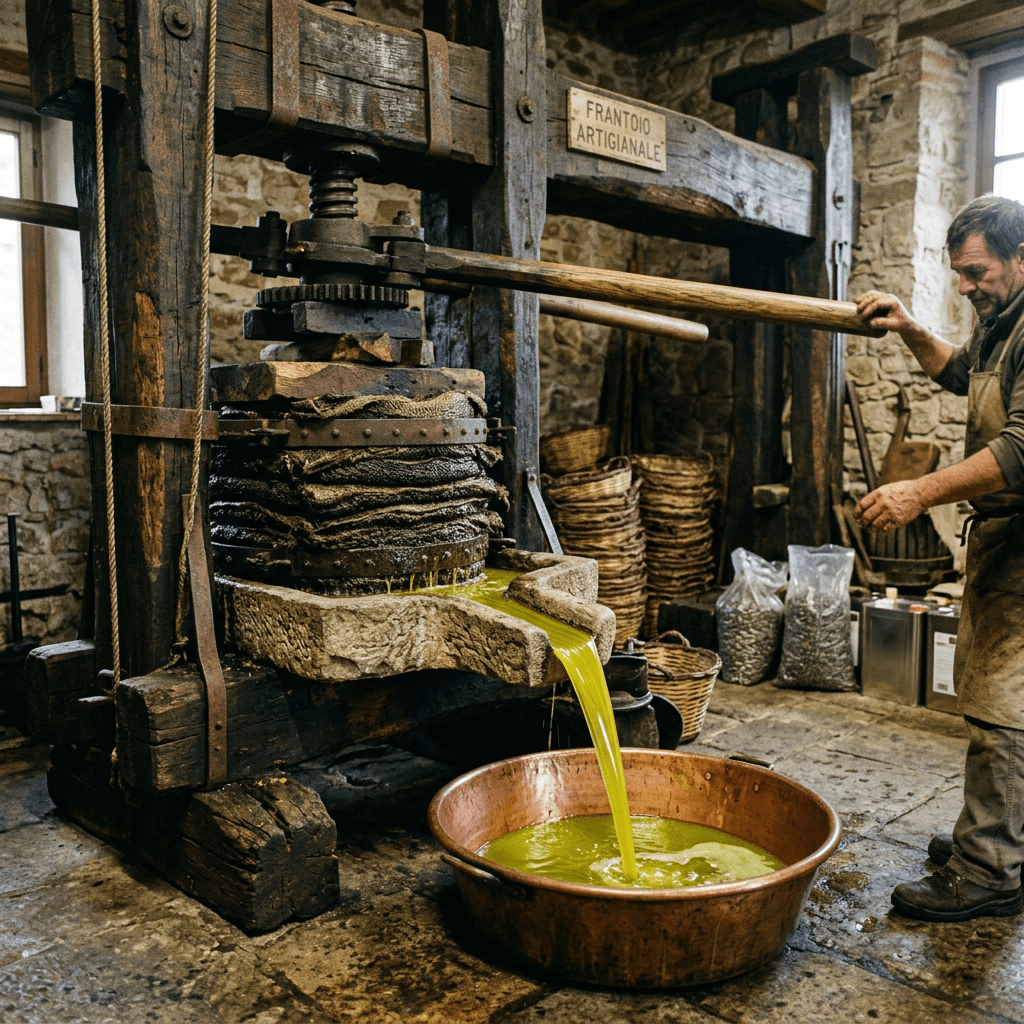
Near Heraklion. I discovered that olive oil isn’t just an ingredient — it’s memory, culture, and patience bottled in green gold.
I almost didn’t go.
After spending the morning wandering through the ancient ruins of Knossos near Heraklion, most visitors were heading back toward cruise ships, buses, or beaches. Instead, I climbed into a taxi and asked the driver to take me into the hills toward Archanes to find a small family-run olive mill I had read about while planning the trip.
He looked slightly uncertain at first.
Then, kindly — perhaps sensing I was determined — he agreed to wait for me so I wouldn’t be stranded trying to find my way back.
That alone felt wonderfully human.
It was late September, drifting toward October, but Crete still held the warmth of summer. The olive trees surrounding the roads were deep green under the afternoon sun, and the air carried an earthy saltiness that seemed to rise from the island itself.
At Koronekes Olive Mill in Archanes, everything felt intimate and unhurried.
This wasn’t a polished tourist attraction with buses lining the entrance. It was a small family operation run by generations of the same family, where olives were still hand-pressed into oil using traditions carefully preserved over time.
I was welcomed by the daughter of the family and her husband, Giorgos, who guided me through the process with genuine warmth and enthusiasm. His English was excellent, and as I asked question after question, he answered each one patiently — not like someone reciting a script for tourists, but like someone sharing a craft he truly cared about protecting.
You could hear pride in his voice when he spoke about the olives, the timing of the harvest, and the delicate balance required to produce good oil.
Inside the mill, I watched fresh olive oil emerge from a recent pressing. The olives had been curing for several days, and as the oil flowed from the press, I was stunned by the color.
Not golden.
Green.
A vivid, almost electric green that looked alive in the light.
“This is the very first press of these olives,” Giorgos answered the question I was asking in my mind.
Then came the tasting.
Until that moment, I thought olive oil was simply something you cooked with or dipped bread into at restaurants. But fresh olive oil tastes entirely different when you experience it at its source.
The first pressing was light yet full-bodied, peppery at the back of the throat, floral, smooth and yet sweet across the tongue. It coated my mouth with warmth and freshness that lingered long after the tasting ended.
Nothing in a grocery store bottle had prepared me for that.
Standing there in the quiet hills of Crete, surrounded by olive trees and family tradition, I realized olive oil is not just food. It’s agriculture, history, patience, climate, and culture distilled into something you can taste.
Travel has taught me many things over the years, but culinary travel teaches them differently. Food has a way of collapsing the distance between people. It slows you down long enough to notice where you are.
And sometimes the experiences that stay with us most are not the famous landmarks.
Sometimes they are hidden in small family mills at the end of winding roads, where bright green olive oil flows slowly from a press on a warm autumn afternoon in Crete.


Leave a Reply